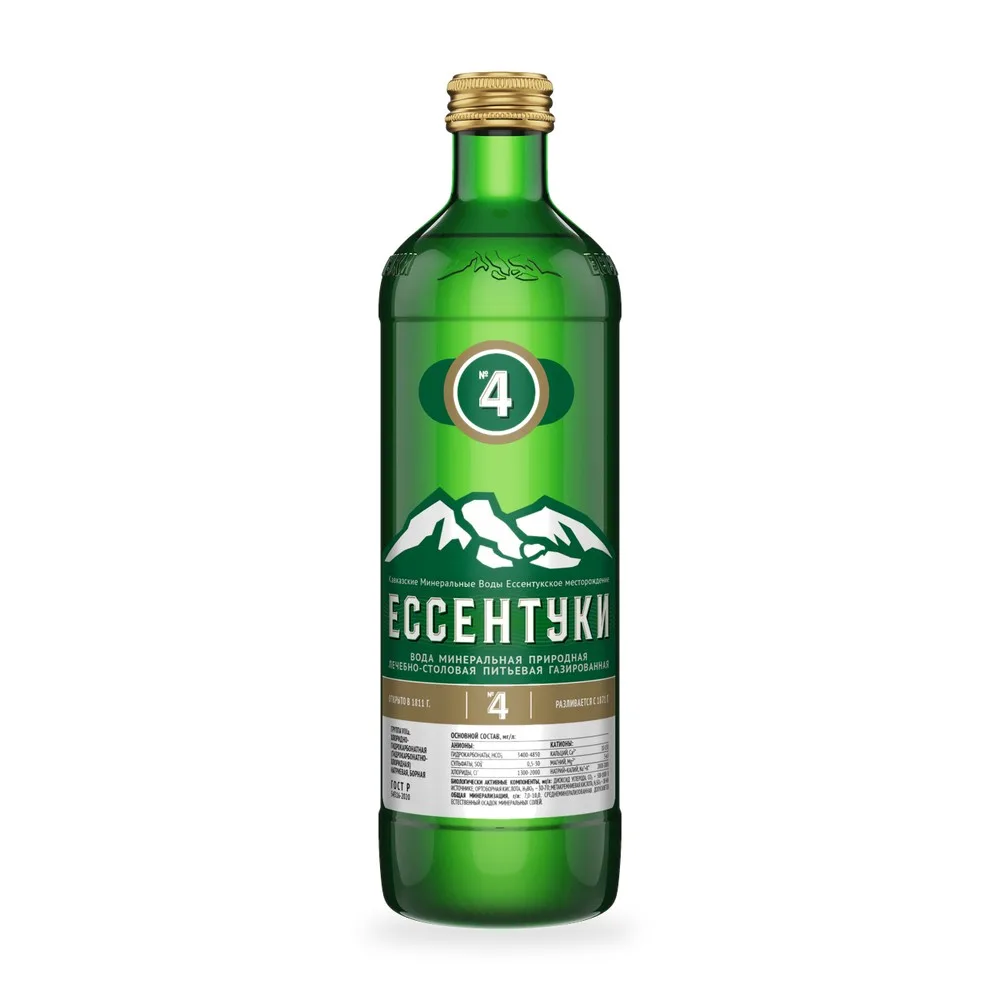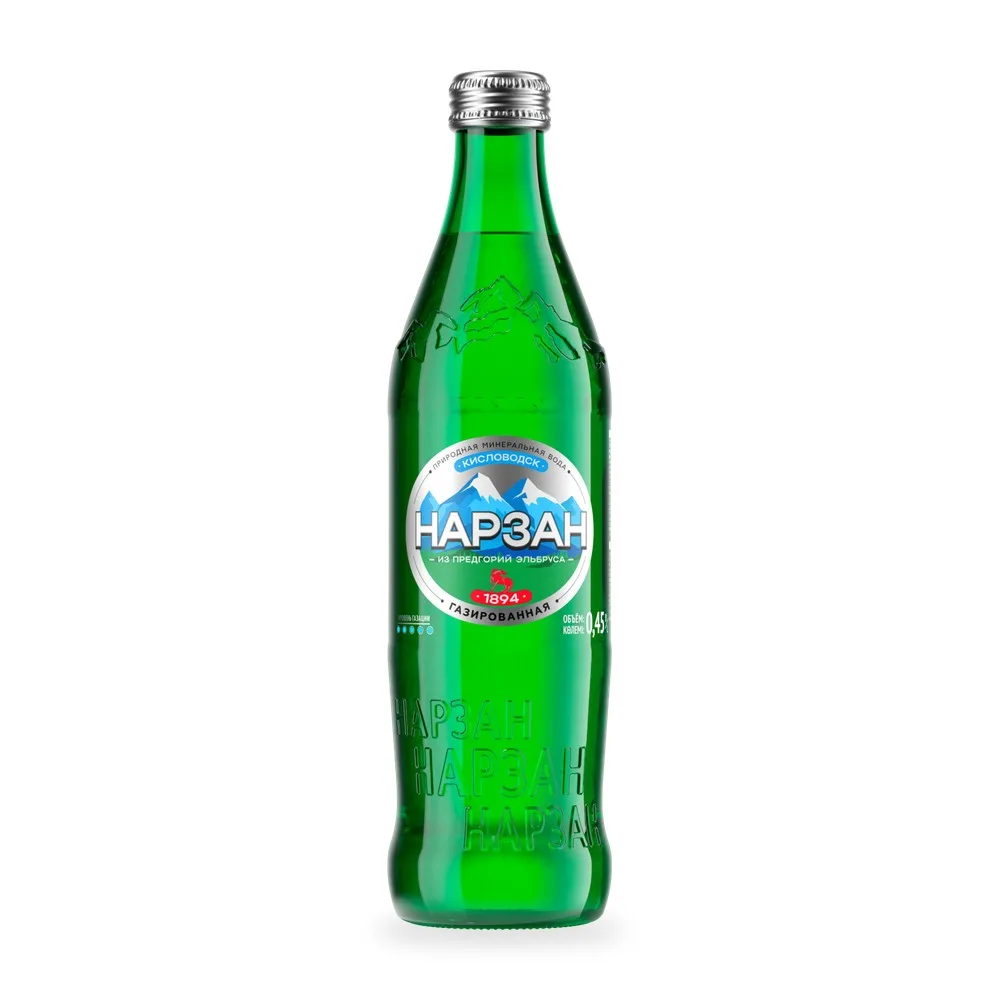
sparkling
Narzan 0.45 L1,520 ฿for 20 pcs
76 ฿ per bottle
Water and food · 7 min · 17 September 2026
A simple formula from covers to storage space.
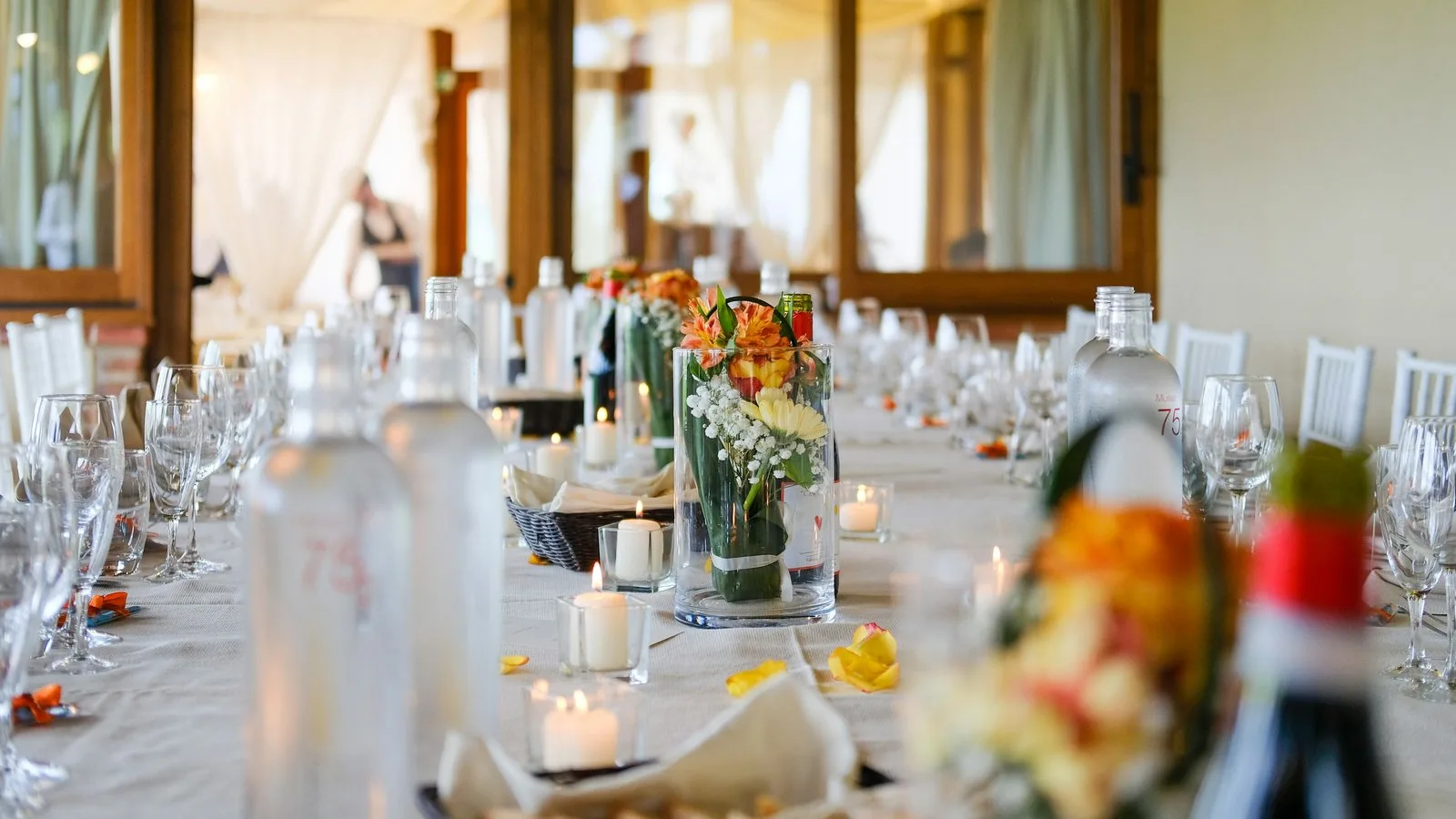
In short: use the formula "covers per day x share who order water x 0.5 bottles". Typically 40 to 60% of guests order water. Keep two positions on the menu, sparkling and still, in 0.45 to 0.5 L glass. Hold 7 to 10 days of stock, since anything more makes no sense: cash is tied up and shelf space is gone.
Four steps. Take the average number of covers per day over the last month. Multiply by the share who order water: start with 50%, then refine it from your receipts. Multiply by 0.5 to 0.7 bottles per guest, which gives your daily requirement. Multiply by the days between deliveries and add 20% as a buffer. For 120 guests a day that comes to 60 to 80 bottles a day, or 400 to 550 a week plus the safety stock.
Two positions are essential: sparkling and still. Glass of 0.45 to 0.5 L goes to the floor, still water in 0.5 L PET covers delivery, and staff get an 18.9 L bottle with a pump. A third, pricier water belongs where there is a wine list and a high average cheque. Water can earn you good money, but the menu price must not alarm the guest: a bottle of water is ordered at the very start of dinner, and guests judge the markups across the whole menu by it.
Glass is heavy and takes up more room than the invoice suggests, so count shelves as well as budget. Hold 7 to 10 days of stock: any more and cash sits idle while the store room fills up. In Phuket's high season, water sells 30 to 50% faster, so plan deliveries for that period in advance. In the low season, cut the size of the orders rather than their frequency. Sell by bottling date: whatever arrived first goes out first.
A fixed delivery schedule removes half the hassle: you know the water arrives on Wednesday and you are not counting stock every day. Ask for the batch paperwork, the producer's certificate and the อย. registration, which inspectors ask for. Wholesale pricing usually depends on your monthly volume rather than a one-off order, so it is agreed for the season. Discuss emergency top-up deliveries separately, because in high season they save your evening.