−10%
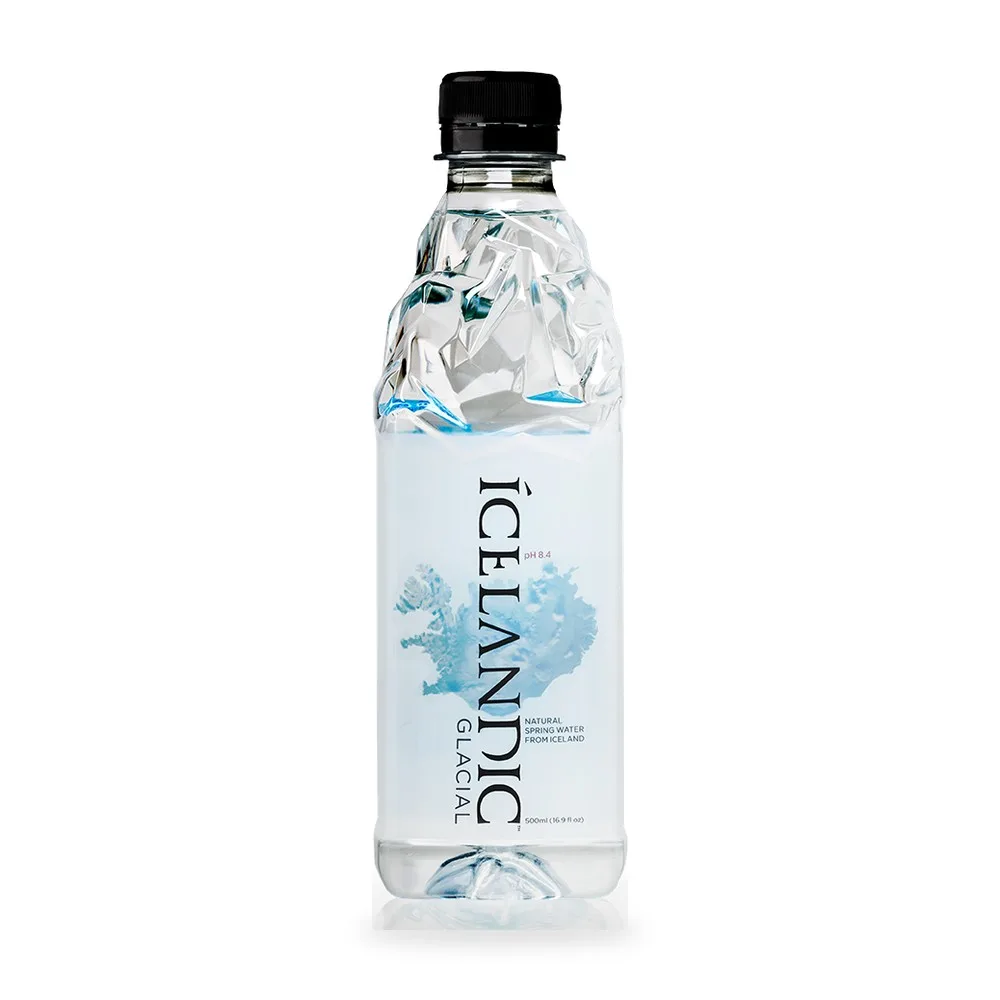
Icelandic Glacial 0.5 L1,370 ฿for 24 pcs
57 ฿ per bottle
Water and food · 6 min · 17 September 2026
The same beans on different water make a different drink.
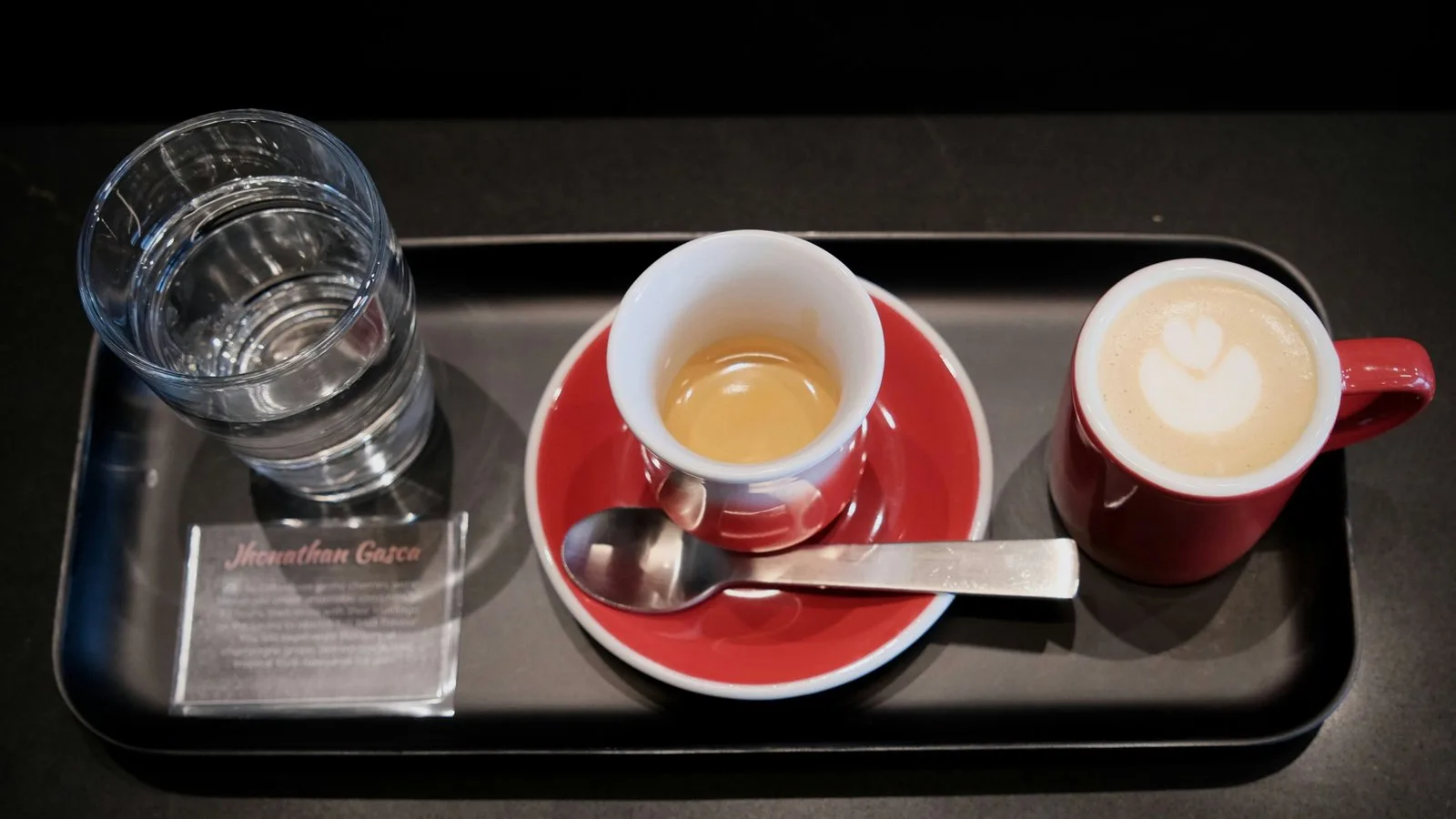
In short: coffee usually calls for water with a TDS of roughly 75 to 150 mg/L and moderate hardness, which pulls the flavour out without leaving limescale. Very soft water gives flat, sour coffee; hard water tastes soapy and quickly furs up the machine. Green tea wants softer water, while black tea can take something a little denser.
Coffee in the cup is almost entirely water, and its minerals decide what gets pulled out of the bean. Magnesium brings out sweetness and fruity notes, calcium gives the cup body but settles as limescale when there is too much of it. Bicarbonates damp down acidity, so a lot of them leaves the cup flat. Distilled water is no good at all, as it has nothing to dissolve the compounds in the bean with and the coffee comes out hollow and sour.
For espresso and filter, use water with a mineralisation of roughly 75 to 150 mg/L and moderate hardness: enough flavour, little scale. Mineral water whose salts are counted in grams is wrong for a coffee machine, and Narzan at 2 to 3.5 g/L will give you a harsh taste and rapid scaling. Black tea tolerates denser water and comes out stronger, while green tea and oolong open up on soft water. Check the actual values on the label of the batch, as natural water is given as a range.
Tap water and well water on the island are often hard, so coffee machines and kettles fur up faster than the manual promises. The sign is simple: white deposits in the kettle after a couple of weeks. On bottled table water with low mineralisation, equipment lasts noticeably longer, although you still descale it, just less often. The Thai standard for water in sealed containers caps hardness at 100 mg/L as calcium carbonate, which counts as soft water.
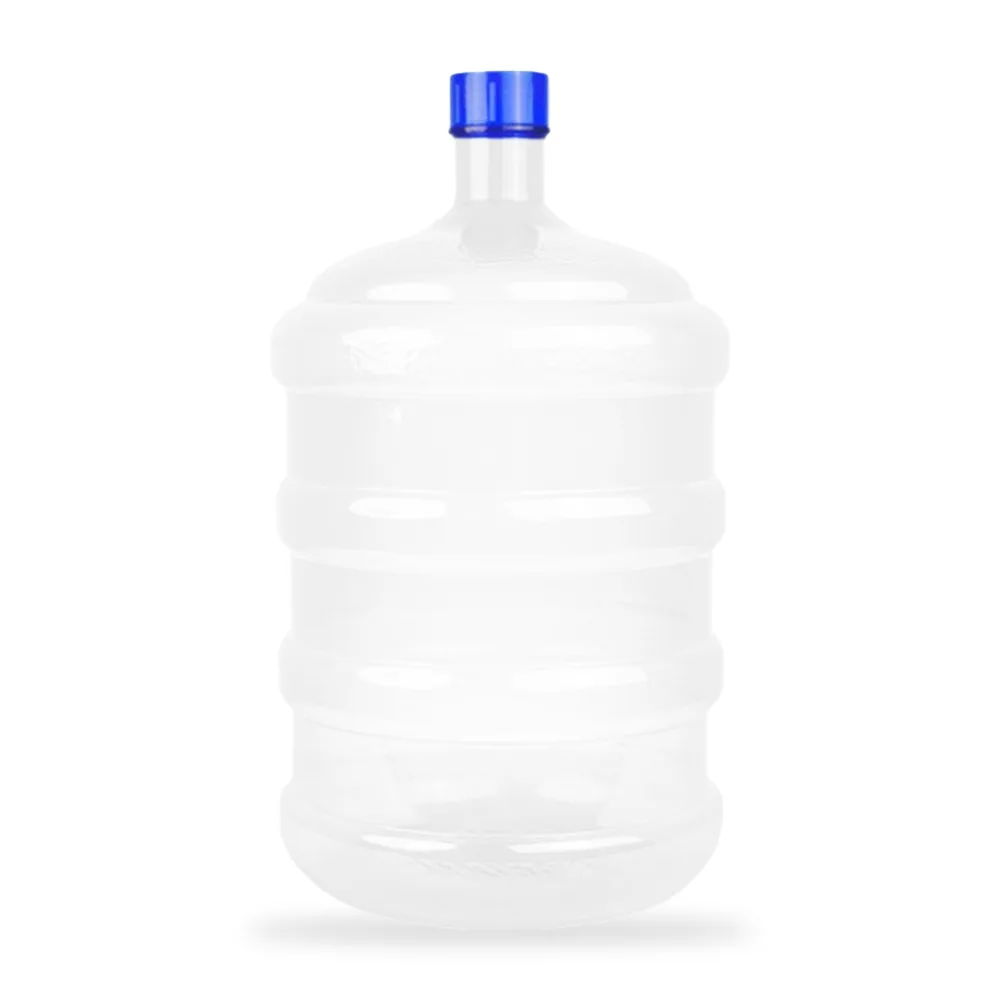
At home, the easiest thing is to keep an 18.9 L bottle of table water: it covers the coffee machine, the kettle and drinking. A cafe or a restaurant should set up a tasting: brew the same coffee on filtered water and on bottled water with a known composition, and the difference is audible straight away. For tea, choose water with no pronounced mineral tang, or it will override the leaf. Medicinal-table water is not used for brewing.