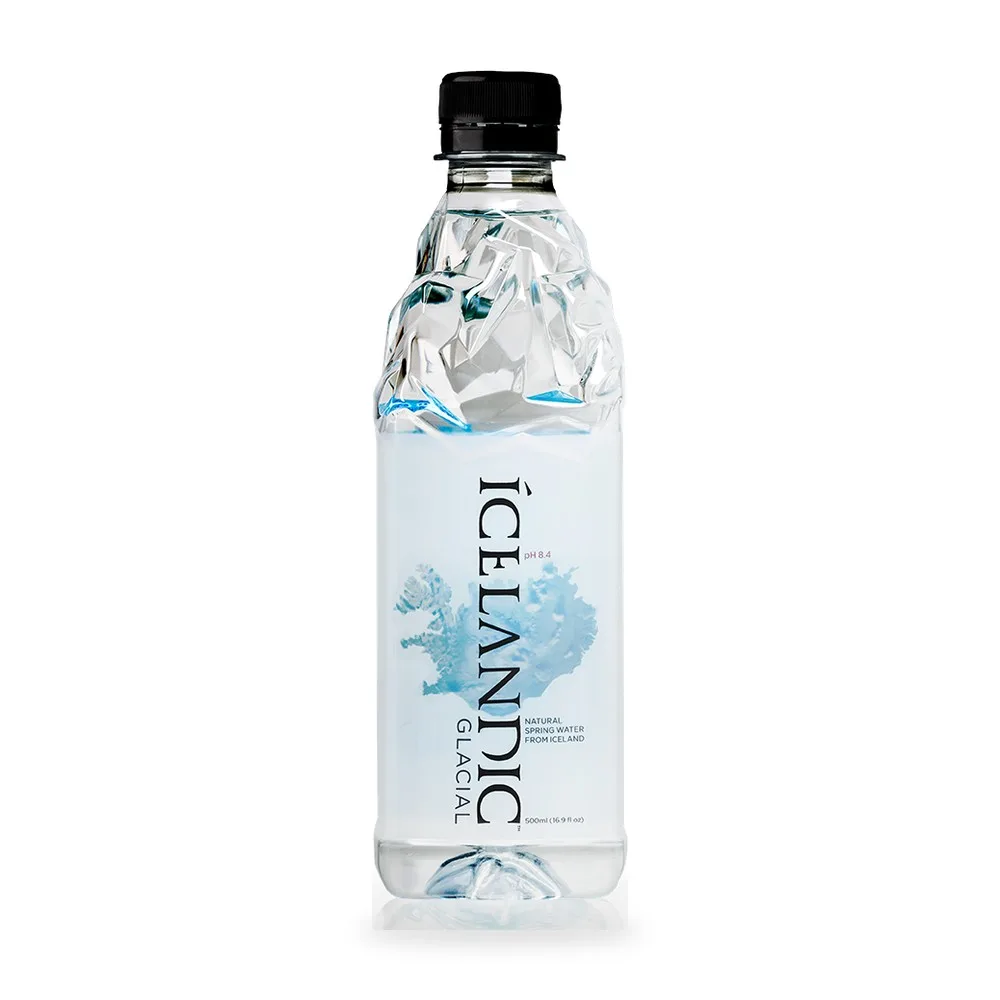
−10%
Icelandic Glacial 0.5 L1,370 ฿for 24 pcs
57 ฿ per bottle
Composition and health · 6 min · 17 September 2026
Mineralisation, sodium and packaging — the lines that matter most.
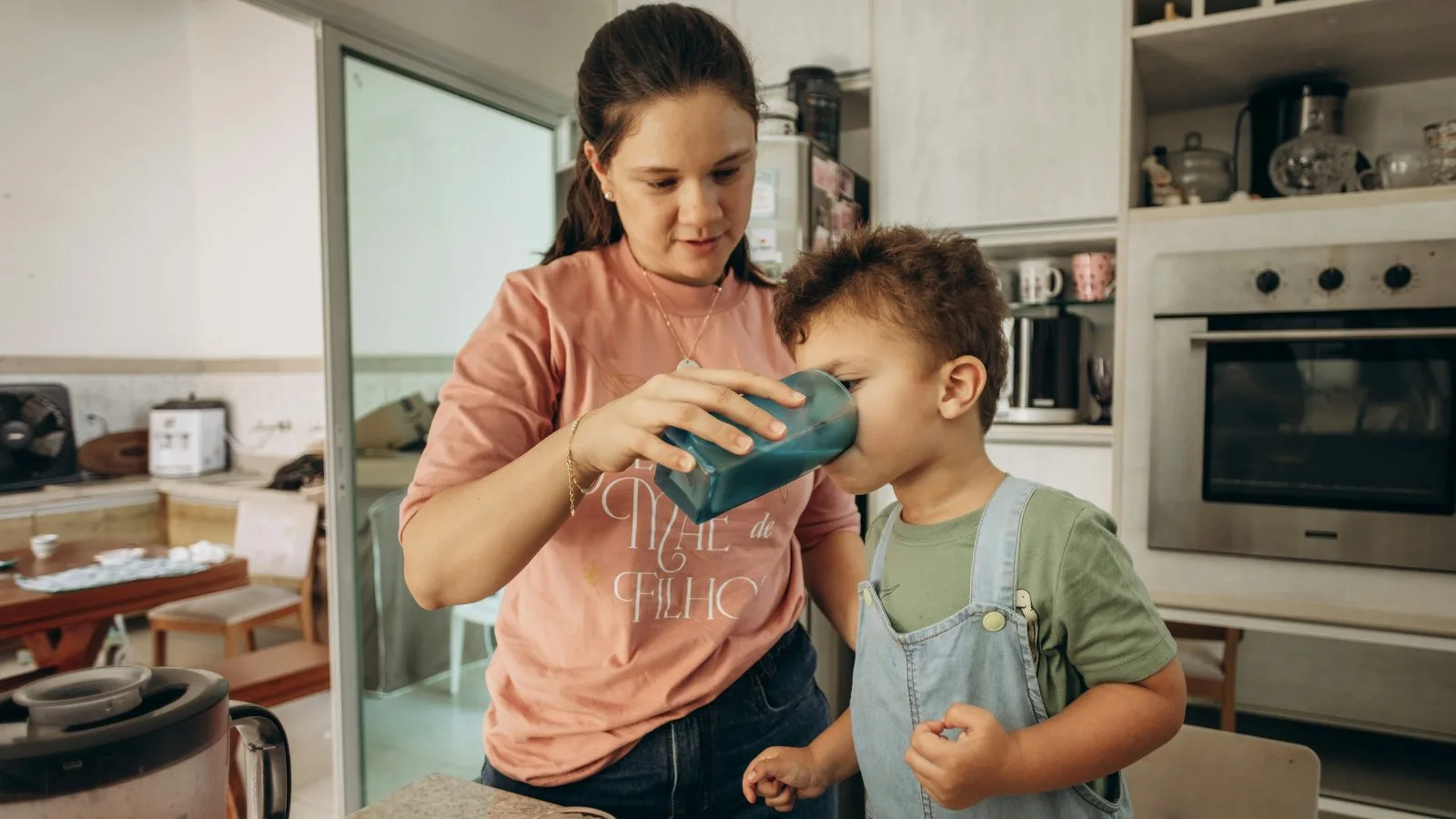
In short: for everyday drinking, children and pregnant women are usually given table water with low mineralisation (up to 1 g/L) and modest sodium, most often still rather than sparkling. Medicinal-table and medicinal waters are not drunk casually in these cases, the routine is something to agree with a doctor. Check the figures on the label of the specific batch, because the composition of natural water varies.
Four lines decide it. The type of water: you want table water, because medicinal-table and medicinal waters are not given to children or pregnant women just like that. Mineralisation, up to 1 g/L and ideally a few hundred mg/L: the Thai standard for water in sealed containers allows no more than 500 mg/L. Sodium: the less of it, the easier it is to drink that water all day, and under EU rules water with less than 20 mg/L of sodium is suitable for a low-salt diet. And the bottling date, with the ring on the cap still intact.
Young children are usually offered still water: a large volume goes down more easily and nothing bloats the tummy. If all you have at home is sparkling, pour it into an open jug for 20 to 30 minutes and some of the bubbles will leave on their own. For pregnant women it is simpler to go by how you feel: with heartburn or a heavy stomach, the fizz usually gets in the way. There is no need to boil mineral water for this, because heating makes part of the salts settle out and the taste gets worse.
There is no single figure for children: the volume depends on age, weight and how much the child runs around. In Phuket they sweat more than they do back home, so always carry a bottle and offer small sips often. A clear guide is the colour of the urine: pale yellow is fine, dark means it is time to drink. In the heat, plain table water works better than juice, since sugar does not deal with thirst. Ask your paediatrician about the right amount for your particular child.
A pregnancy with swelling, raised blood pressure or a prescribed salt restriction is a case where drinking routine and the choice of water are discussed with a doctor, not with a shop. Babies under one year, first solid foods and making up formula are questions for a paediatrician: which water to use depends on the age and on the formula itself. In both cases, medicinal-table water such as Essentuki No. 4 is not something to start drinking on your own initiative. Everything above is general information and manufacturers' data, not a prescription.
According to the producer. Not a medical recommendation.