sparkling
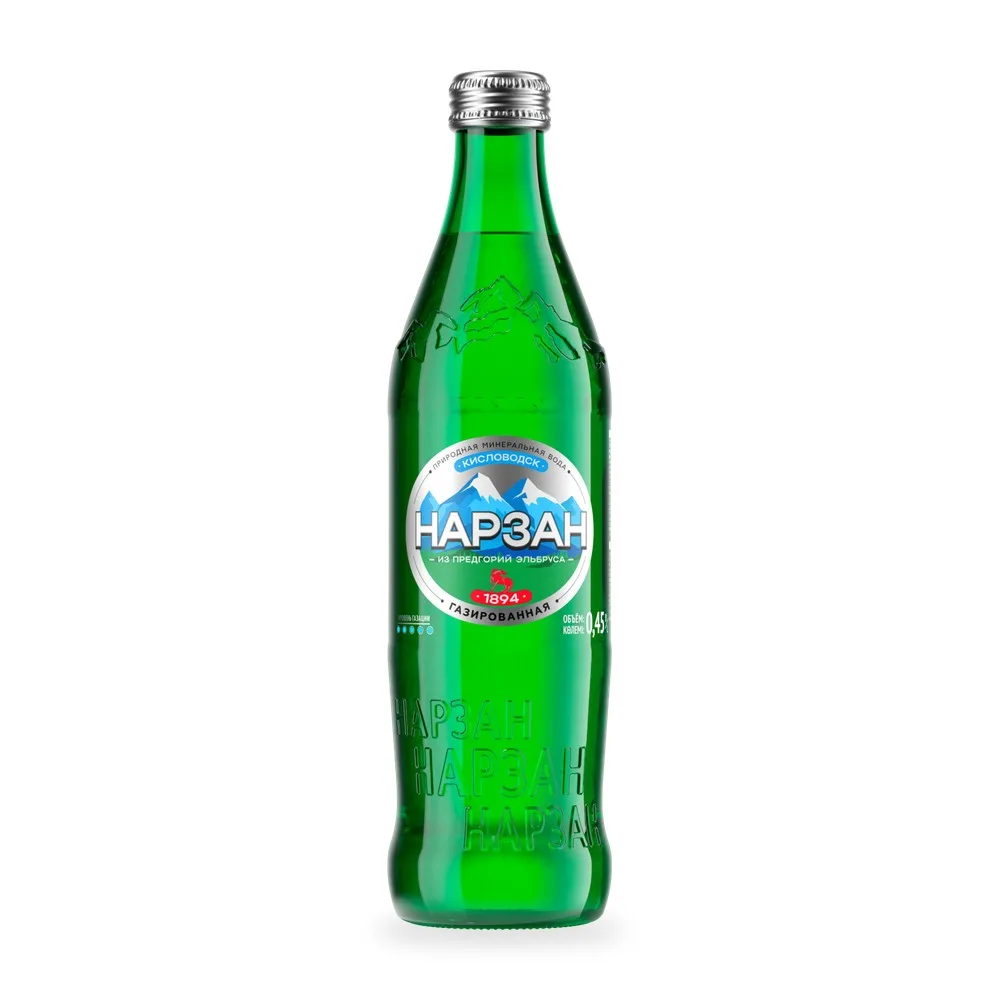
Narzan 0.45 L1,520 ฿for 20 pcs
76 ฿ per bottle
Brand guides · 6 min · 17 September 2026
Local drinking water and imported mineral water each have their place.
In short: most Thai bottles hold purified drinking water with very low mineralisation, which is cheap and good for every day. Imported mineral water such as Narzan and Essentuki comes from a natural spring with its own composition, and people buy it for the table, for the banya or simply for a familiar taste. At home it is handy to keep both.
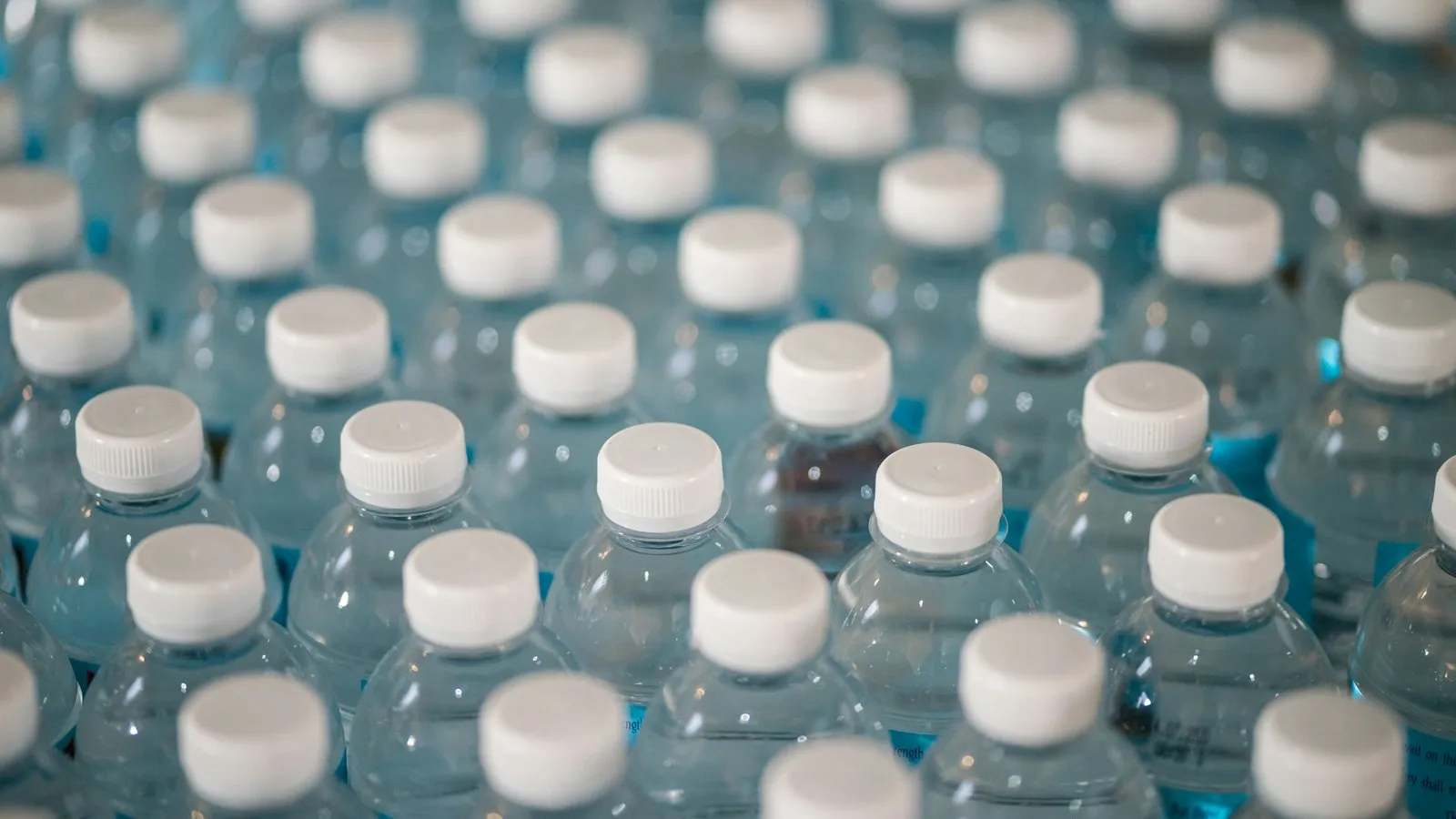
Most bottles in a Thai shop are drinking water: purified, with very low mineralisation. Under Ministry of Public Health Notification No. 462, total mineralisation in it is no more than 500 mg/L and hardness no more than 100 mg/L of calcium carbonate. Next to it sits locally bottled mineral water, which is natural and has its composition printed on the label. Any legal water carries an อย. registration. A litre of local water costs several times less than imported, because it is not shipped halfway around the world.
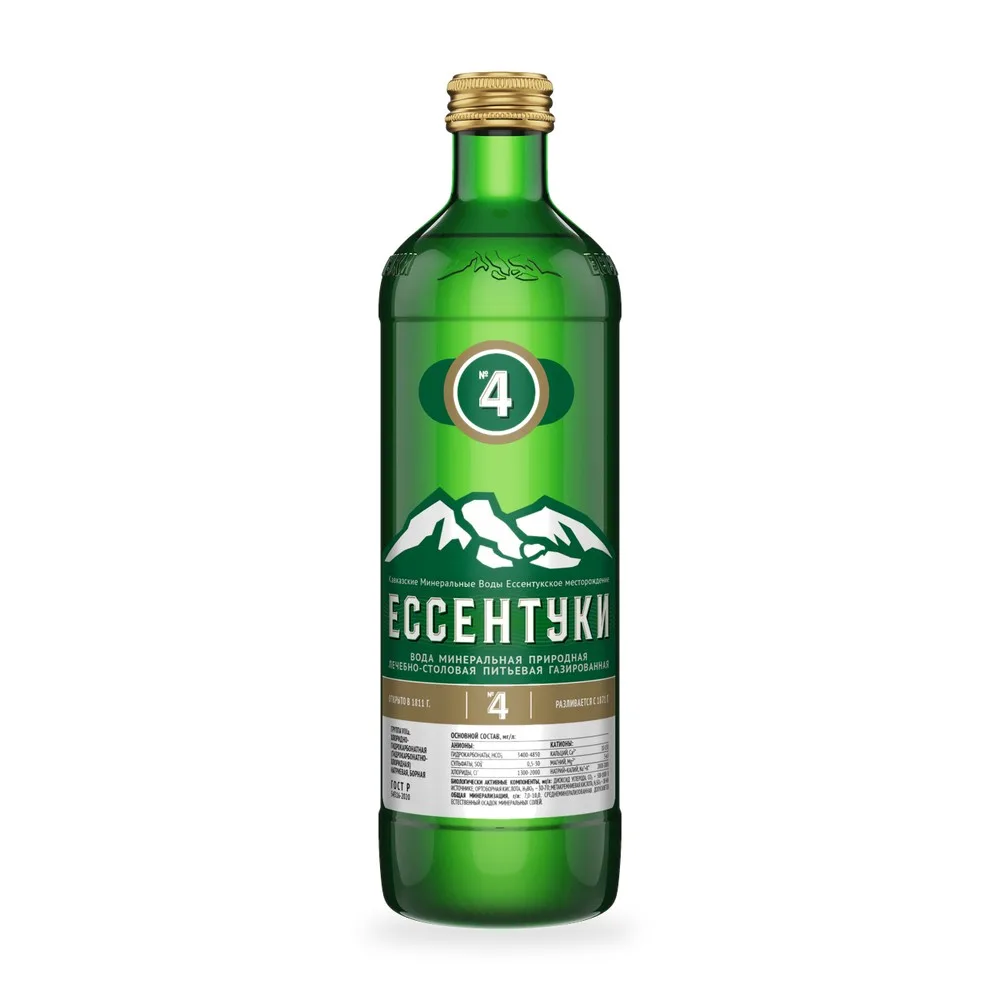
People buy imports for the composition and the familiar taste. Narzan's natural carbonation cannot be reproduced by treatment: the carbon dioxide is dissolved in the water underground, at around 2.5 g/L according to analyses of 2023 batches. Essentuki No. 4 is a medicinal-table water with a mineralisation of 7 to 10 g/L, and there is nothing like it on the Thai shelf. Icelandic Glacial, at 62 mg/L according to the brand, is bought as a soft water to serve with wine and fish.
The price is made up of the journey and the paperwork. The water travels from Russia and Iceland, duties are paid, and every batch is registered in Thailand. Glass is heavier than PET, and you pay for that weight the whole way. Batches are small, so the cost per bottle is higher than at a local plant that bottles millions of litres in the next province. That is the arithmetic of logistics, not a markup for the brand.
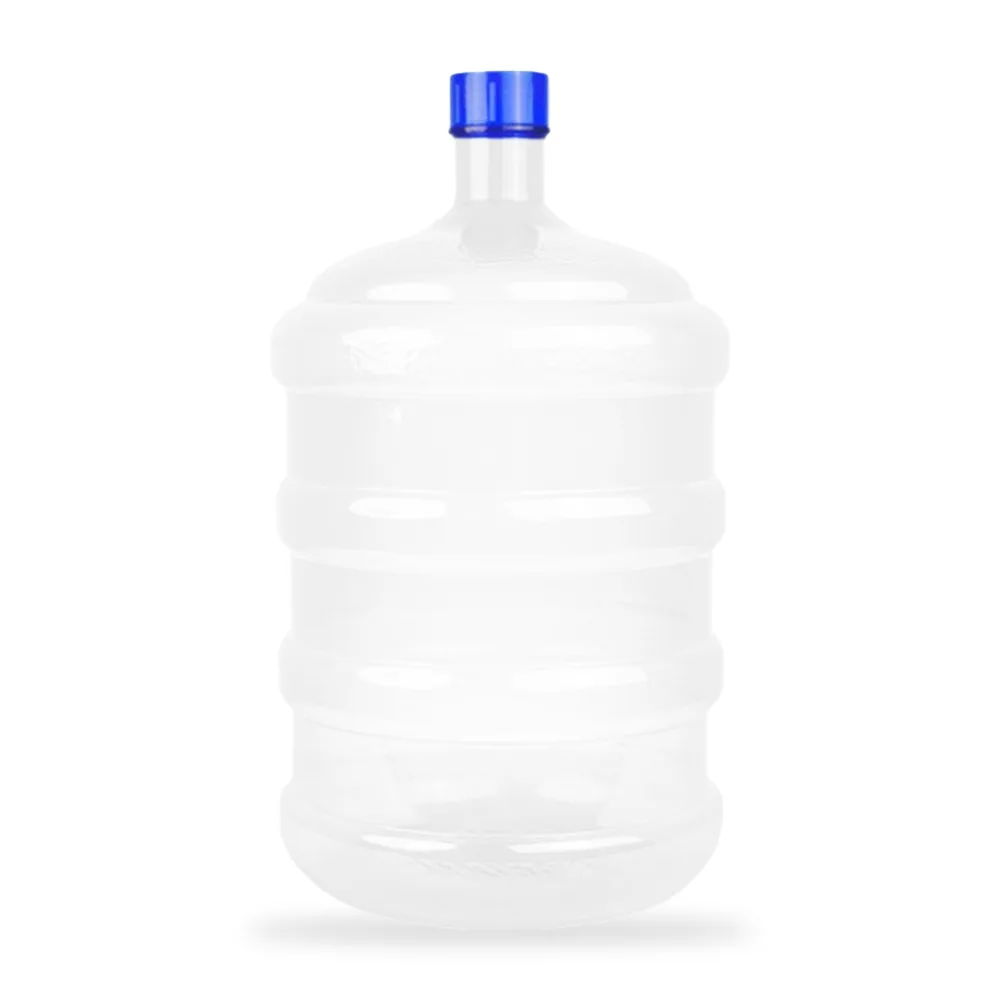
At home it is handy to keep two lines. Everyday volume is covered by local water or an 18.9 L bottle. For dinner and guests, take 0.45 to 0.5 L glass; for the banya, mineral water of moderate mineralisation in the same glass; for the gym, still water in 0.5 L PET. A restaurant usually needs both lines: a base water for the floor and one or two positions for the menu. The easiest way to plan a month is to count everyday water by the litre and mineral water by the number of occasions.