Skip to content
Premium Water Hub

Composition and health · 9 min · 17 September 2026

Water passport: a glossary of mineralisation, pH, hardness and ions

What TDS, pH, hardness, CO₂, calcium, magnesium, sodium and other label lines mean, with EU thresholds in mg/L.
Water passport: a glossary of mineralisation, pH, hardness and ions

In short: mineralisation shows how much salt there is in a litre (table water goes up to 1 g/L). pH tells you about acidity, hardness about calcium and magnesium. An individual ion becomes worth naming once it passes a threshold: under EU rules that means more than 600 mg/L of bicarbonate, more than 150 of calcium, more than 50 of magnesium and more than 200 of sodium. Below 20 mg/L of sodium, the water is suitable for a low-salt diet.

Mineralisation and TDS

Total mineralisation is the sum of all dissolved ions in a litre, printed in mg/L or g/L; in English it is TDS, total dissolved solids. A household TDS meter works it out from electrical conductivity, so its reading is only approximate. Under GOST R 54316-2020, water up to 1 g/L is fresh, 1-2 g/L slightly mineralised, 2-5 low-mineralised and 5-10 medium-mineralised. Under EU rules, up to 50 mg/L is a very low mineral content, up to 500 mg/L is low, and above 1500 mg/L the water is rich in mineral salts.

  • Total mineralisation is the sum of all dissolved ions and molecules in a litre, printed in mg/L or g/L
  • TDS (total dissolved solids) is the same figure under its English name. A household TDS meter derives it from conductivity, so the reading is approximate
  • Under GOST R 54316-2020, water up to 1 g/L is fresh, 1-2 g/L slightly mineralised, 2-5 g/L low-mineralised, 5-10 g/L medium-mineralised and 10-15 g/L highly mineralised
  • Under EU Directive 2009/54, water up to 50 mg/L has a very low mineral content, up to 500 mg/L a low one, and above 1500 mg/L it is rich in mineral salts
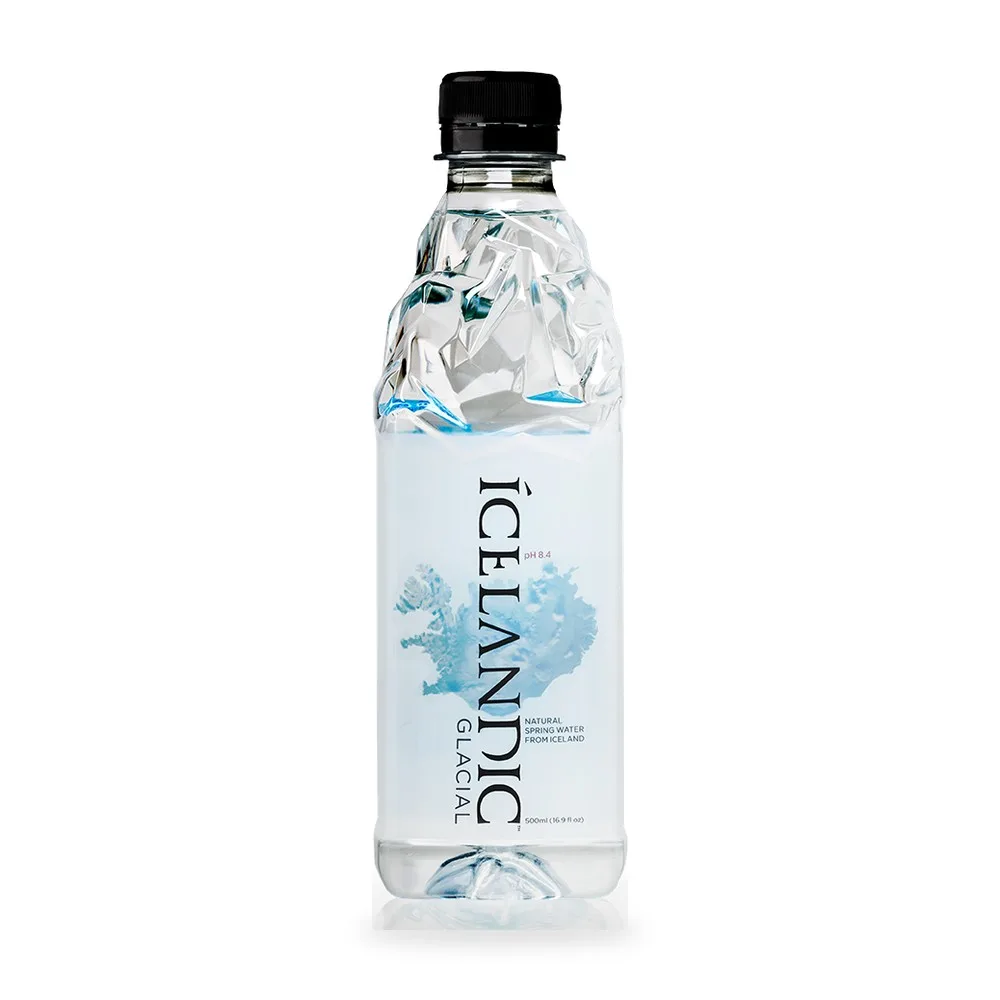
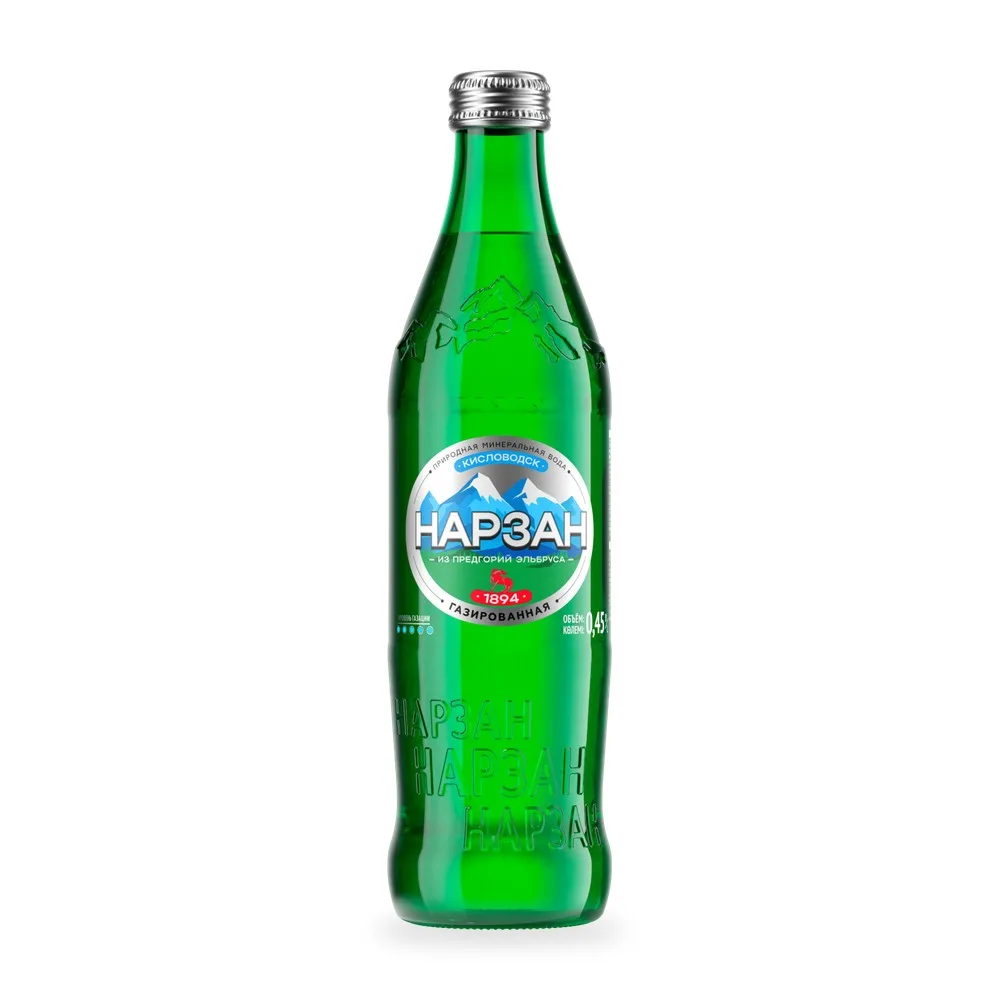
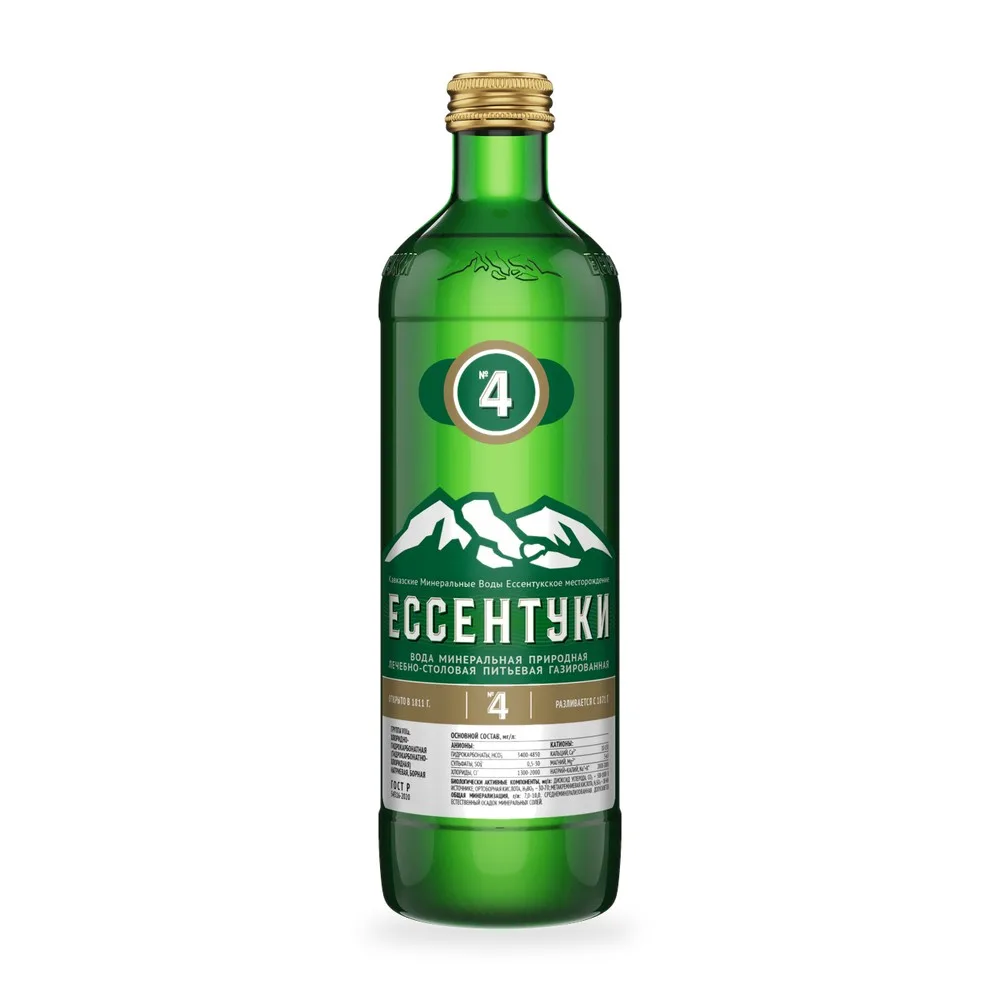
  • For comparison: Icelandic Glacial has 62 mg/L, Narzan 2-3.5 g/L and Essentuki No. 4 7-10 g/L

pH, hardness and CO₂

These are the three lines most often misread. pH shows acidity: 7 is neutral, higher is alkaline. The Russian SanPiN allows 6-9 and the EU 6.5-9.5, and within those bounds pH affects taste rather than quality. Hardness is calcium plus magnesium: Russia counts it in meq/L with a limit of 7 for tap water, Thailand in mg/L of calcium carbonate with a limit of 100 for bottled water. CO₂ is dissolved carbon dioxide; in Narzan it comes from the spring itself, at around 2.5 g/L.

  • pH shows acidity. At 7 water is neutral, below 7 acidic, above 7 alkaline. The SanPiN allows 6-9 for drinking water, the EU 6.5-9.5
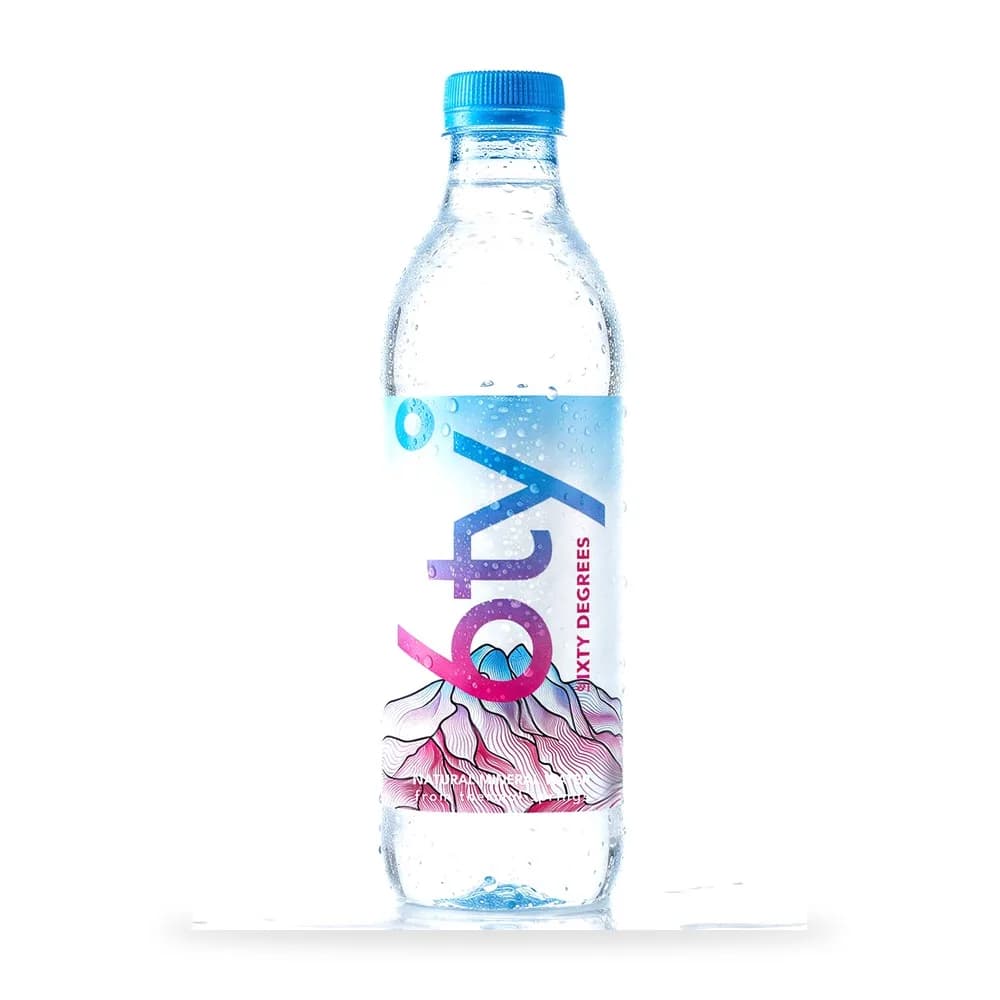
  • Icelandic Glacial has a pH of 8.4 according to the brand, and 6ty Degrees 8.5. Water like this tastes soft, but pH does not tell you whether a water is good for you
  • Hardness is calcium plus magnesium. Russia counts it in meq/L, with a limit of 7 for tap water. Thailand counts it in mg/L of calcium carbonate, with a limit of 100 for bottled water
  • CO₂ is dissolved carbon dioxide. In Narzan it is natural, around 2.5 g/L in the 2023 batch analyses. In the EU, water with more than 250 mg/L of free CO₂ may be called acidic

How much calcium, magnesium and sodium is in mineral water?

Under EU rules, water is called calcic from 150 mg/L of calcium, magnesic from 50 mg/L of magnesium and sodic from 200 mg/L of sodium. Narzan clears the first two thresholds: 200-600 mg/L of calcium and 50-180 mg/L of magnesium on the label, and 361-381 mg/L of calcium in the 2023 batch analyses. Essentuki No. 4 carries 2000-3000 mg/L of sodium with potassium, which is the key figure for anyone counting salt, since the WHO advises adults to stay under 2 g of sodium a day. Lithium appears only in trace amounts.

  • Calcium (Ca): under EU rules a calcic water starts at 150 mg/L. Narzan lists 200-600 mg/L on the label and 361-381 mg/L in the 2023 batch analyses
  • Magnesium (Mg): the EU threshold is 50 mg/L. Narzan has 50-180 mg/L. A lot of magnesium gives a slightly bitter note, which is why the SanPiN caps it at 50 mg/L in tap water
  • Sodium (Na) and potassium (K) are often printed as a single line on Russian labels. In the EU, a sodic water starts at 200 mg/L of sodium. The wording "suitable for a low-sodium diet" is allowed below 20 mg/L of sodium
  • Essentuki No. 4 has 2000-3000 mg/L of sodium with potassium. The WHO advises adults to stay under 2 g of sodium a day, so a 0.45 L bottle accounts for a noticeable share of that
  • Lithium (Li) occurs in mineral water in trace amounts. In Russian tap water the limit is 0.03 mg/L

Anions: HCO₃, SO₄, Cl, F, NO₃

Anions are what you taste. Bicarbonates soften the taste: in the EU a bicarbonate water starts at 600 mg/L of HCO₃, and Narzan has 1000-1950 mg/L while Essentuki No. 4 has 3400-4850. Sulphates add a light bitterness, with a threshold of 200 mg/L; Narzan has 250-1100. Chlorides bring a salty note, also from 200 mg/L; Essentuki No. 4 has 1300-2000. Fluoride and nitrate stand apart in this list: they are safety figures, not taste figures.

  • Bicarbonates (HCO₃) soften the taste. The EU threshold for a bicarbonate water is above 600 mg/L. Narzan has 1000-1950 and Essentuki No. 4 3400-4850 mg/L
  • Sulphates (SO₄) add a light bitterness. The EU threshold is above 200 mg/L; Narzan has 250-1100 mg/L
  • Chlorides (Cl) bring a salty note. The EU threshold is above 200 mg/L; Essentuki No. 4 has 1300-2000 mg/L
  • Fluorides (F): in the EU a fluoridated water starts at 1 mg/L. Above 1.5 mg/L the water is not recommended for children under 7 on a regular basis
  • Nitrates (NO₃) are a pollution marker, not a mineral you want. The WHO and EU limit is 50 mg/L, the SanPiN limit 45 mg/L

Silica and boron

These two lines on the label alarm people for no reason. Silica is printed as metasilicic acid, H₂SiO₃: Essentuki No. 4 has 10-60 mg/L of it and Narzan 10-50 mg/L. Boron appears as orthoboric acid, H₃BO₃, and Essentuki No. 4 has 30-70 mg/L, which is why the word "boric" is part of its description. Both are natural and come from the spring itself. For tap water the SanPiN caps boron at 0.5 mg/L, but that limit does not apply to medicinal-table waters.

  • Silica is printed on labels as metasilicic acid, H₂SiO₃. Essentuki No. 4 has 10-60 mg/L of it and Narzan 10-50 mg/L
  • Boron is printed as orthoboric acid, H₃BO₃. Essentuki No. 4 has 30-70 mg/L, which is why the word "boric" appears in its description
  • Silica and boron in mineral water are natural components of the spring. For tap water the SanPiN caps boron at 0.5 mg/L, but that limit does not apply to medicinal-table waters
  • All the figures come from labels and from GOST R 54316-2020. The composition of a natural water shifts slightly over time, which is why a range is printed

Sources

According to the producer. Not a medical recommendation.
FAQ

Water from this article

sparkling
Narzan 0.45 L
1,520 ฿for 20 pcs
76 ฿ per bottle