sparkling
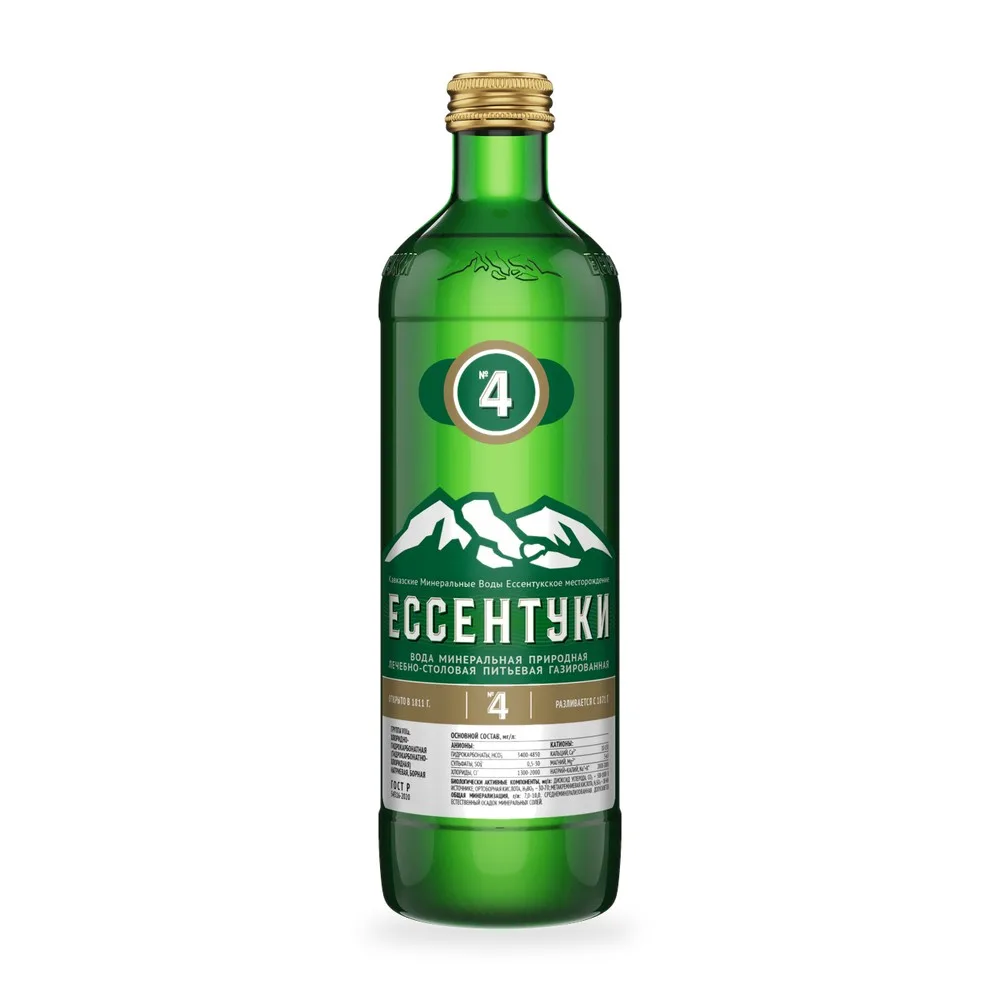
Essentuki No. 4 0.45 L2,090 ฿for 20 pcs
105 ฿ per bottle
Brand guides · 6 min · 17 September 2026
Mineralisation, taste and everyday use of two classic Caucasus waters.
In short: No. 4 is a medical table water with a mineralisation of roughly 7–10 g/l, taken with meals and in short courses. No. 17 is saltier, 10–14 g/l, and is meant for a prescribed course rather than casual sipping.
Essentuki No. 4 and No. 17 are bottled at the same Caucasus Mineral Waters deposit, but they come from different wells. The water rises from different depths and passes through different rock layers, so it picks up salts differently: No. 4 has a mineralisation of 7–10 g/l, No. 17 of 10–14 g/l. Because of that gap, GOST R 54316-2020 classifies No. 4 as a medical table water and No. 17 as a medicinal one. The well number and the water type are printed on the label, so the two bottles are hard to confuse.
The taste of mineral water comes from its salts, and No. 17 holds about half as much again: 10–14 g/l against 7–10 g/l in No. 4. No. 4 therefore drinks smoothly, with a saltiness you notice but do not mind, while No. 17 feels dense and distinctly salty, and many people find it heavy going without food. Check the exact figures on the label of your batch: the composition of a natural water drifts a little, so the producer prints a range rather than a single number.
No. 4 is a medical table water: it is served with meals and taken in courses, usually a 150–250 ml glass 15–30 minutes before eating, up to three times a day. No. 17 is saltier and classified as a medicinal water, so it is taken as a course on a doctor's advice rather than in place of ordinary drinking water. All of this comes from the producer and reference sources, and is not medical advice. If you have been told to limit salt, discuss the routine with your doctor.
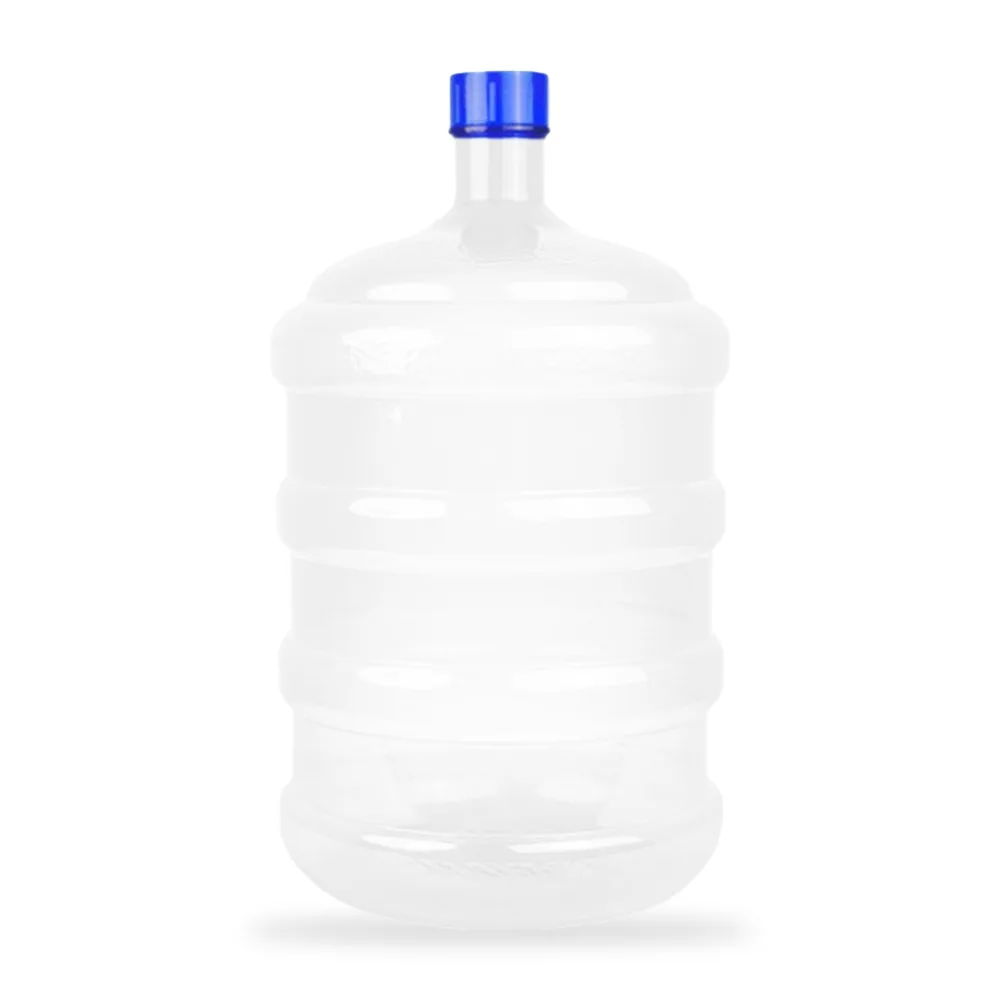
The choice usually comes down to the bottle and the occasion rather than the composition. For home and the office, No. 4 comes as a case of 0.45 l glass, 20 bottles, while an 18.9 l bottle covers the everyday volume. In a restaurant the same 0.45 l glass goes on the table, because it looks better and the taste holds longer. For the banya, pick something lighter in mineralisation and alternate it with plain drinking water: a litre of Essentuki No. 4 carries 2,000–3,000 mg of sodium plus potassium, and the WHO advises adults to stay under 2 g of sodium a day.